
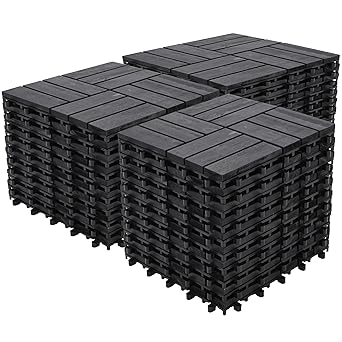
When it comes to transforming outdoor spaces, deck tiles can be a game changer. I’ve spent quite a bit of time researching and using various options, but two products that stand out are the Bliss Outdoors 12-Slat Interlocking Deck Tiles and the Bliss Outdoors 6-Slat Interlocking Deck Tiles. Both have their unique features and benefits, making them suitable for different preferences and spaces. Let’s dive into the details to help you decide which one might be the best fit for your outdoor project.
|
|

|
|
$104.99
|
$114.99
|
Bliss Outdoors has made a name for itself in the outdoor flooring market with its stylish and durable interlocking deck tiles. The 12-slat and 6-slat options both offer beautiful aesthetics and functional benefits. However, they cater to different needs based on design, size, and ease of installation.
The 12-slat version is a bit more robust, providing a larger surface area and a classic look that suits various outdoor styles. On the other hand, the 6-slat option brings a more contemporary vibe, often appealing to those who prefer a minimalist approach. My experience with both has shown me that the choice often hinges on personal style and specific requirements for space and usage.
When it comes to design, the differences between the two products are quite noticeable. The Bliss Outdoors 12-Slat Interlocking Deck Tiles, with their Aged Black finish, offer a timeless look that can complement various outdoor settings, whether it’s a patio, balcony, or garden. The deep, rich color adds a touch of elegance and can easily blend with different furniture styles and decorations.
In contrast, the Bliss Outdoors 6-Slat Interlocking Deck Tiles in Acacia provide a lighter, more natural wood finish that exudes warmth and a casual feel. The acacia wood grains are visually appealing and add a refreshing touch to outdoor spaces. I’ve noticed that people often gravitate toward the acacia tiles for beachside homes or modern urban settings where a lighter aesthetic is preferred.
Both tile options are designed for easy installation, which is a major plus in my books. The interlocking mechanism means you can simply snap the tiles together without the need for glue or tools, making it a DIY-friendly project. If you’re anything like me and occasionally tackle home improvement projects on the weekends, you’ll appreciate how quickly these tiles can transform your space.
In terms of maintenance, both types are relatively straightforward. The 12-slat tiles, being darker, may show dirt less readily, but they still require regular cleaning to keep them looking fresh. The 6-slat acacia tiles, while beautiful, may need a bit more attention to maintain their color and prevent fading from sunlight exposure. A good wood sealant can help prolong their life and maintain that stunning finish.
Durability is a major consideration when investing in outdoor flooring. The Bliss Outdoors 12-Slat Interlocking Deck Tiles are crafted from high-quality materials designed to withstand various weather conditions. I’ve seen them hold up well against rain and sun, which is essential for outdoor environments.
The 6-slat tiles are also made with durability in mind, but being made of natural wood, they may require more care over time. In my experience, both options perform well, but if you live in an area with extreme weather conditions, the 12-slat tiles might be the safer bet for long-term use. They also have a higher level of resistance to warping and cracking, which is something to keep in mind based on your local climate.
When comparing the price points of these two options, the Bliss Outdoors 12-Slat Interlocking Deck Tiles typically come at a higher price than the 6-slat version. This difference is often attributed to the larger size and design complexity. However, it’s important to consider the value each option brings.
If you’re looking for a long-lasting investment and a more substantial look, the 12-slat tiles may justify the extra cost. I’ve found that spending a bit more upfront can save you money down the line, especially when it comes to durability and maintenance. On the other hand, if you’re on a budget or working with a smaller space, the 6-slat tiles could be the perfect solution, providing great value without compromising on style.
After weighing the pros and cons of both the Bliss Outdoors 12-Slat Interlocking Deck Tiles and the 6-Slat Interlocking Deck Tiles, I find that the right choice largely depends on your individual needs and preferences. If you’re after a more traditional and robust look with the assurance of durability, the 12-slat tiles are the way to go. However, if you prefer a lighter, more modern feel and are looking for a budget-friendly option, the 6-slat tiles offer great value.
In the end, it’s all about what works for your space. Both options are fantastic, but choosing one will come down to your style, budget, and the specific outdoor conditions in your area.
|
|
|
|
$104.99
|
$114.99
|
The primary differences lie in their design, size, and price. The 12-slat tiles offer a larger surface area and a classic look, while the 6-slat tiles provide a lighter, more contemporary aesthetic at a lower price point.
Yes, both the 12-slat and 6-slat tiles feature an interlocking design that allows for easy installation without the need for tools or glue, making them perfect for DIY projects.
To maintain the 6-slat acacia tiles, regular cleaning and applying a wood sealant can help prevent fading and prolong their life. Be sure to check for any signs of wear, especially if exposed to direct sunlight.
Generally, the 12-slat tiles are considered more durable due to their construction and resistance to warping and cracking. However, with proper care, the 6-slat tiles can also hold up well in outdoor settings.
While it’s possible to mix and match the two types of tiles, it’s best to consider the overall aesthetic and design of your space. Mixing them can create a unique look, but make sure that it fits your vision for the area.